Electrolysis Cells & Equipment

Electrolysis equipment and core components for sodium hypochlorite generation, electro-chlorination, PEM / ALK hydrogen production and selected industrial electrolysis duties.

Electrolysis cell and core electrochemical unit

Main product types

Configured around actual operating conditions

For product selection and proposal preparation, please provide the application, operating medium, target output, drawings or dimensions, quantity, and project requirements. TJNE evaluates cell configuration according to industrial operating requirements rather than treating these items as standard catalogue products.

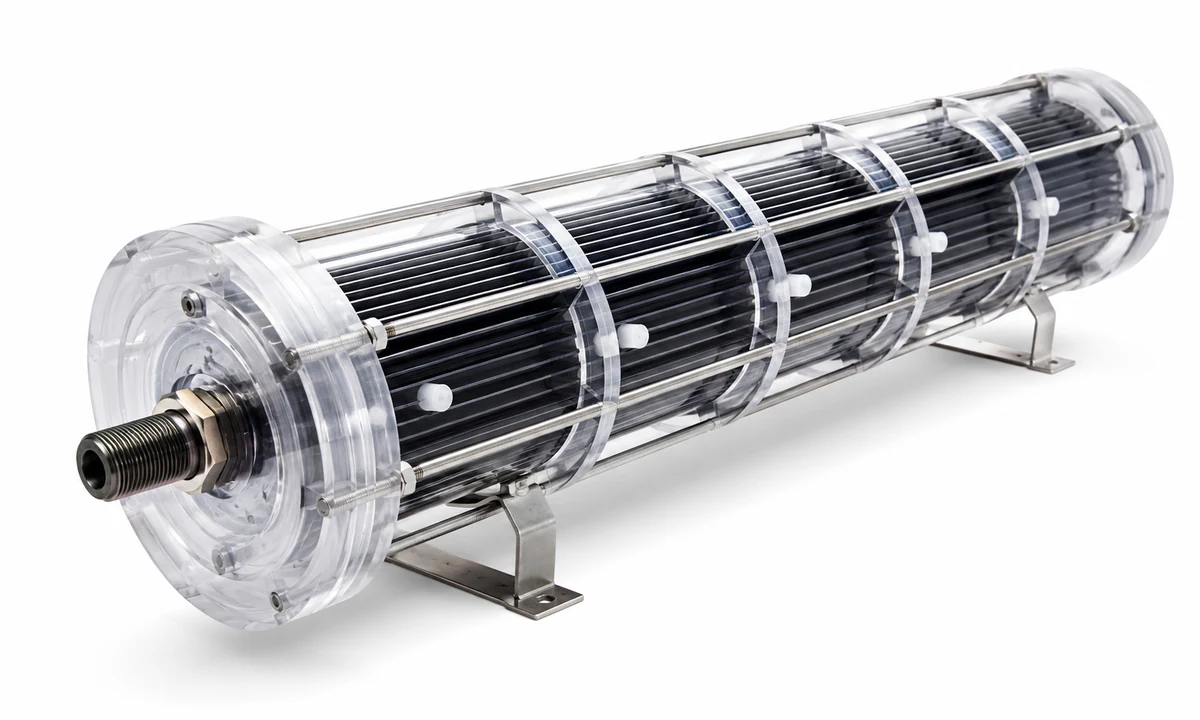
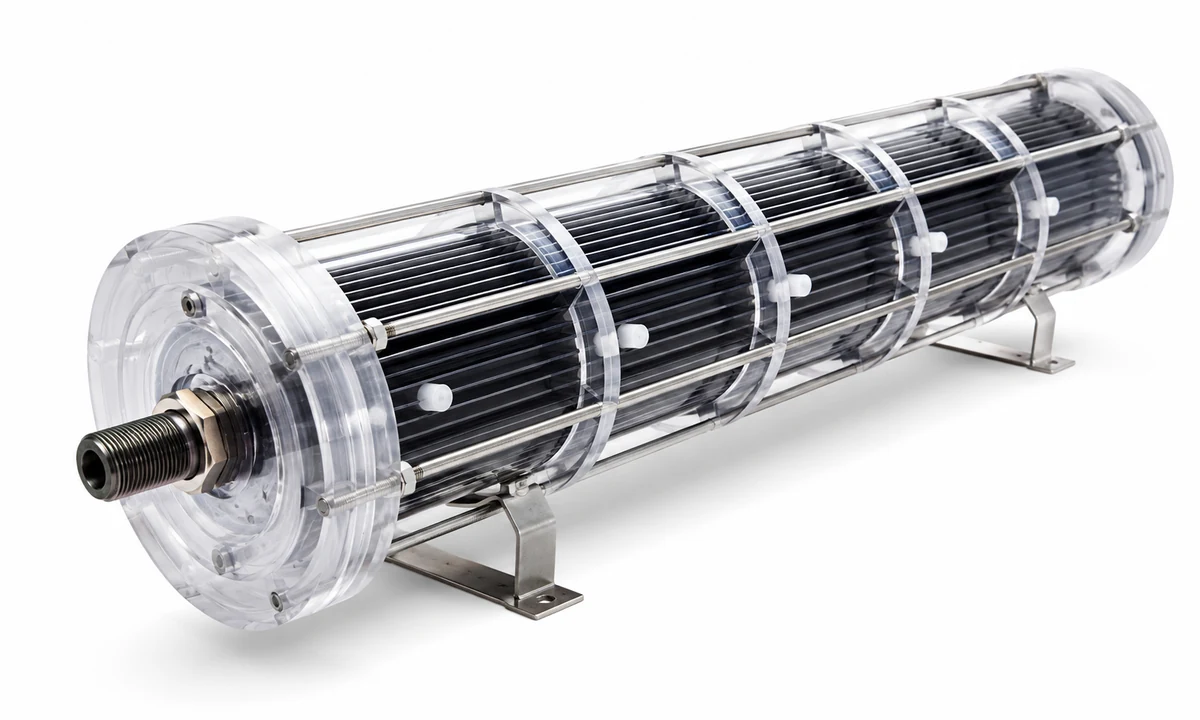
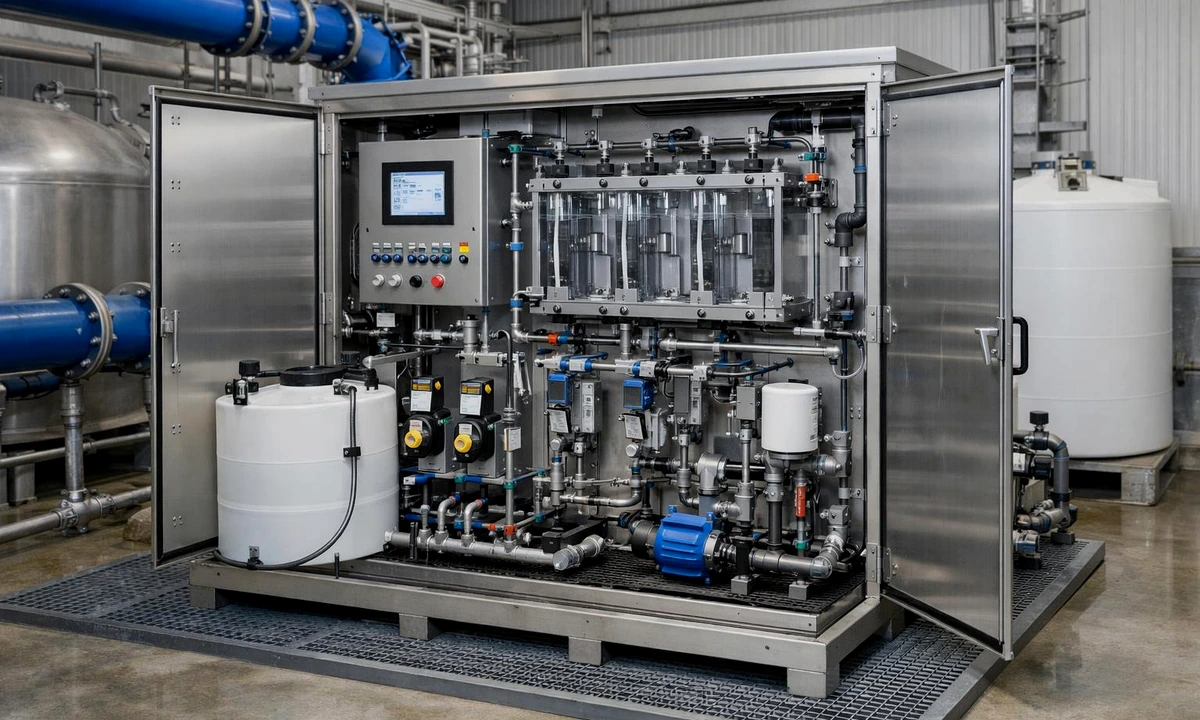
Sodium hypochlorite electrolysis cell
01

Sodium Hypochlorite Equipment & Electro-chlorination Cells

For on-site disinfectant generation, equipment configuration depends on available chlorine target, brine or seawater conditions, utilities, control requirements and installation environment.

  • For municipal and industrial water disinfection
  • Can be discussed as equipment, cells, electrode assemblies or related components
  • Configured according to available chlorine target, brine / feed-water conditions and operating mode
PEM and ALK hydrogen electrolyzers
02

PEM & ALK Hydrogen Electrolyzers

TJNE can discuss PEM and alkaline hydrogen electrolyzers for projects where water quality, capacity, operating route, utilities and safety requirements must be defined before equipment selection. PEM electrolyzers are typically reviewed for higher-purity hydrogen and compact system requirements, while ALK electrolyzers are reviewed for stable industrial hydrogen production and larger-volume applications.

  • PEM hydrogen electrolyzers and related cell components
  • ALK hydrogen electrolyzers for defined production requirements
  • Configuration reviewed according to capacity, utilities, water quality and operating mode
Containerized hydrogen production unit
03

Containerized Hydrogen Production Units

Containerized hydrogen units can be discussed when a packaged deployment is required. Heating, ventilation, climate conditions, utilities, route selection and site requirements should be confirmed during review.

  • Containerized hydrogen production equipment for defined project scopes
  • Heating and ventilation systems can be included according to site conditions
  • PEM or ALK route to be reviewed before a technical proposal
Industrial electrolysis core unit
04

Industrial Electrochemical Cells & Core Components

Industrial electrolysis cells and related components can be configured for selected process applications where electrolyte composition, current density, flow path, electrode arrangement and electrical interface define the product configuration.

  • Application-specific cell structure and electrode materials
  • Core units for integration into industrial equipment packages
  • Designed around operating medium, current and duty cycle
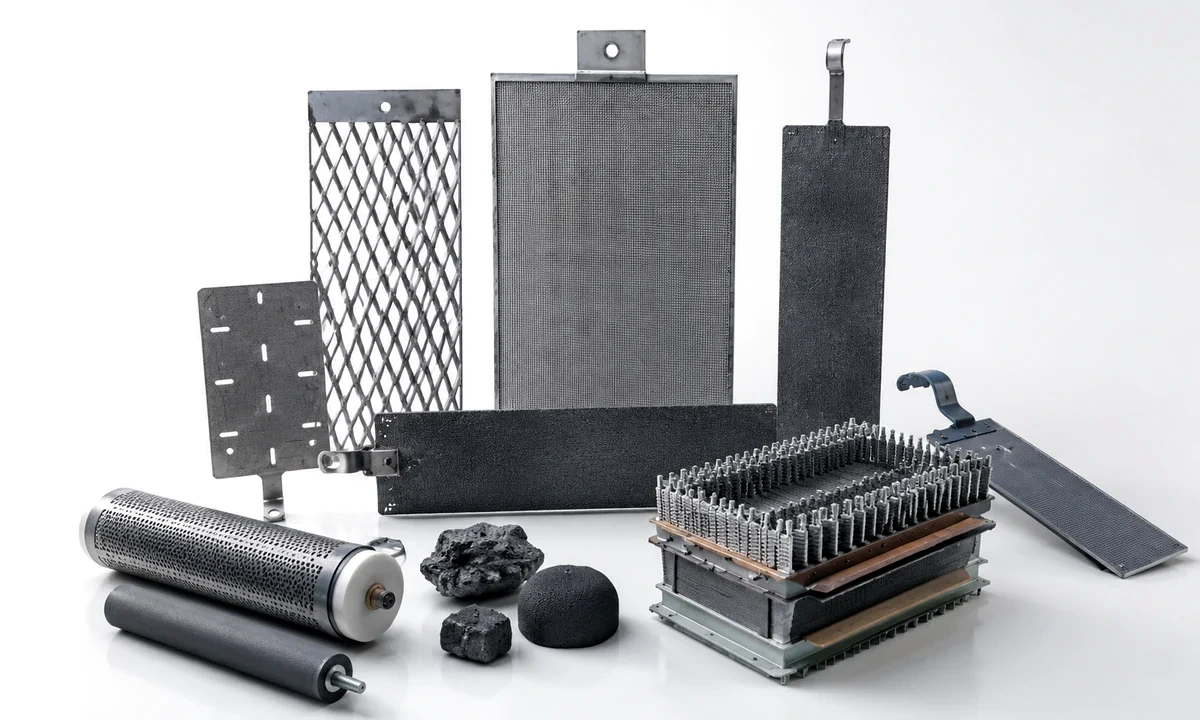
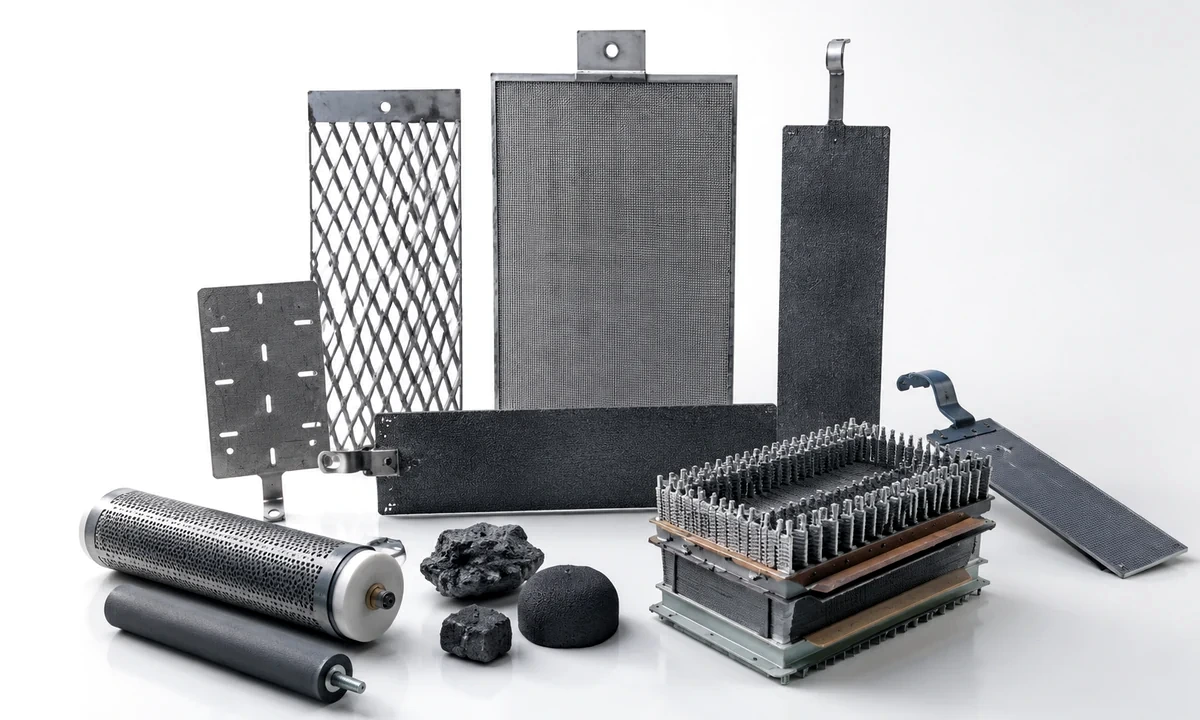
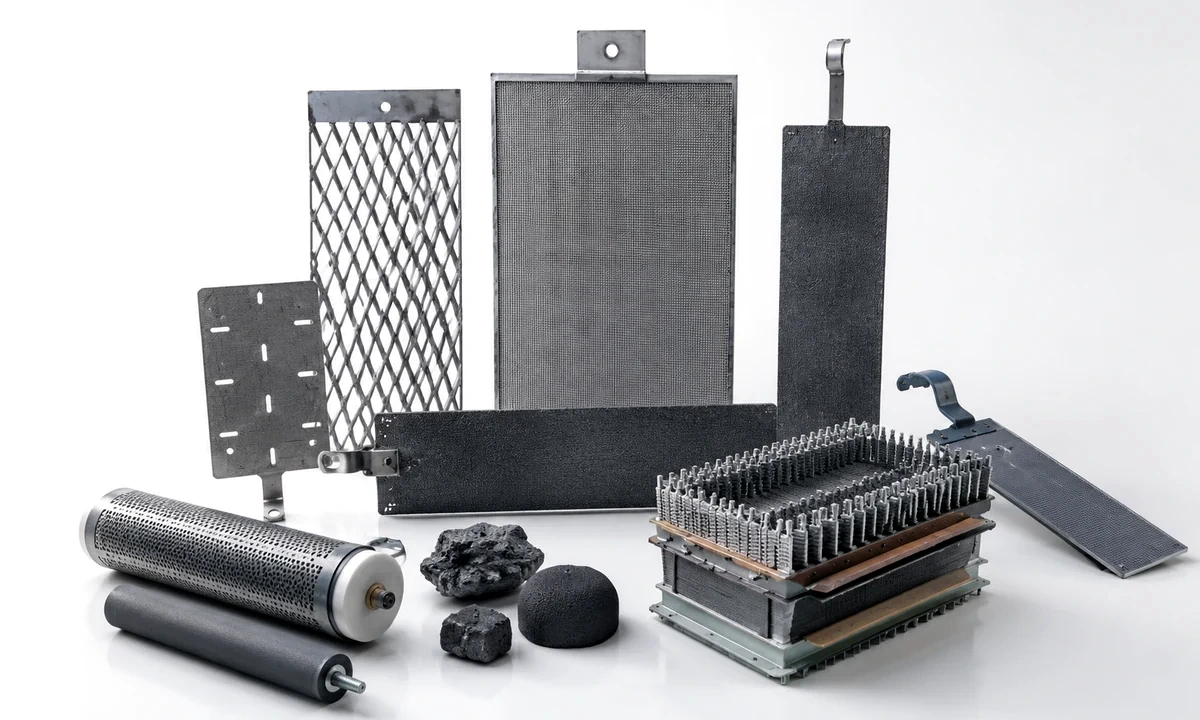
Electrode and cell components
05

Cell Components & Electrode Assemblies

TJNE also supports electrode assemblies, functional electrode components and cell-related parts for electrochemical equipment, with product design adapted to installation interface and operating conditions.

  • Custom electrode dimensions and connection structures
  • Suitable for replacement, pilot testing and new equipment projects
  • Supports cell-level technical communication and technical proposal

Typical specification range

General configuration parameters

These values are indicative ranges across common configurations. Final specification is reviewed against operating conditions, electrolyte, drawings and project scope before a technical proposal.

Cell configuration
NaClO · PEM · ALK · containerized hydrogen · industrial electrolysis
Selected by process objective
Electrode set
MMO / Ti / Pt / custom assemblies
Matched with medium and current
Capacity stage
Lab · pilot · industrial modules
Confirmed by flow rate, current and target output
Operating medium
Brine · wastewater · acidic / alkaline electrolytes
Chemistry review required
Key inputs
Current · voltage · flow · temperature
Needed before a technical proposal
Supply range
Cells · electrodes · core components
Full system scope only when defined

Indicative only · subject to technical review

Static technical screening data

Electrolysis equipment scope and review points

TJNE can discuss complete defined units in selected areas and core electrochemical equipment in others. The table keeps the supply boundary clear before a technical proposal.

Product directionWhat TJNE can discussTypical review pointsBoundary note
Sodium hypochlorite / electro-chlorination equipmentElectrolysis cell units, MMO anode systems, electrode assemblies and defined equipment modules; reference configurations include on-site chlorine / NaClO generation.Brine or seawater quality, chloride level, output target, flow rate, power conditions, scaling tendency and maintenance plan.Performance indicators such as effective chlorine concentration or energy consumption depend on configuration and operating conditions.
PEM hydrogen electrolysisPEM electrolyzers, stacks / cell modules and defined hydrogen production units.Hydrogen output, pressure, purity, power input, dynamic load profile, cooling, water quality and site integration.Scope is defined project by project; BOP and container integration should be confirmed before a technical proposal.
ALK hydrogen electrolysisAlkaline hydrogen electrolyzers and industrial hydrogen production units.Capacity, operating pressure, electrolyte system, duty cycle, utilities, footprint and safety requirements.Suitable for stable industrial-duty projects after technical and commercial scope confirmation.
Containerized hydrogen unitsContainerized hydrogen production units with project-defined heating, ventilation and auxiliary integration.Outdoor temperature, ventilation, power, water supply, installation site, local safety requirements and operating mode.Container scope, auxiliary systems and commissioning responsibilities must be explicitly defined.
Industrial electrolysis cellsCustom electrolytic cells, electrodes, cell components and electrode assemblies for industrial processes.Electrolyte composition, pH, temperature, pressure, current / voltage, corrosion environment and target reaction.Process performance is reviewed based on chemistry and operating conditions, rather than as a generic standard product.

Use this table for early screening · final supply scope and performance criteria must be confirmed by technical review

Applications

Typical use scenarios

Municipal water disinfectionIndustrial water treatmentOn-site sodium hypochlorite generationElectrochemical oxidationPEM-related cell componentsIndustrial electrolysis

What helps us evaluate your operating conditions

  • Treatment objective or target output
  • Feed solution / water conditions and available utilities
  • Expected operation mode and installation interface
  • Whether you need cells, electrode assemblies or related components
  • Project timeline and destination market

Discuss Project Details →

Project information

Helpful Details to Share

A short technical input list helps TJNE understand the application, identify the relevant product direction and avoid unnecessary back-and-forth.

  • Water, brine or electrolyte condition
  • Chloride concentration, flow rate and target output
  • Voltage / current range and operating hours
  • Required supply scope: cell, unit, skid or key components
  • Installation environment and utilities
  • Project stage, timeline and documentation needs
Send Project Details →

Product FAQ

Customer questions about electrochemical cells and units

Answers focused on cell configuration, application fit and cooperation scope.

What applications can TJNE electrochemical cells support?

TJNE electrochemical cells, equipment and core units can be discussed for electro-chlorination, sodium hypochlorite generation, PEM / ALK hydrogen production, containerized hydrogen units, electrochemical oxidation, industrial electrolysis, pilot testing and selected water-treatment-related applications.

Can a cell be configured for an existing process or equipment layout?

Yes. When drawings, installation space, process flow and interface requirements are available, TJNE can review the configuration of the cell or core electrochemical unit for the customer’s equipment layout.

What process information is useful for cell configuration?

Useful information includes the application purpose, feed water or electrolyte composition, flow rate or treatment capacity, temperature, current or current density, voltage range, available space and interface requirements.

Does TJNE supply complete water treatment or hydrogen production plants?

TJNE mainly focuses on electrodes, electrochemical cells, core components and defined electrochemical units for these fields. Plant-level process integration and local project responsibilities should be discussed separately when needed.