
Why NaClO and electro-chlorination enquiries need operating data
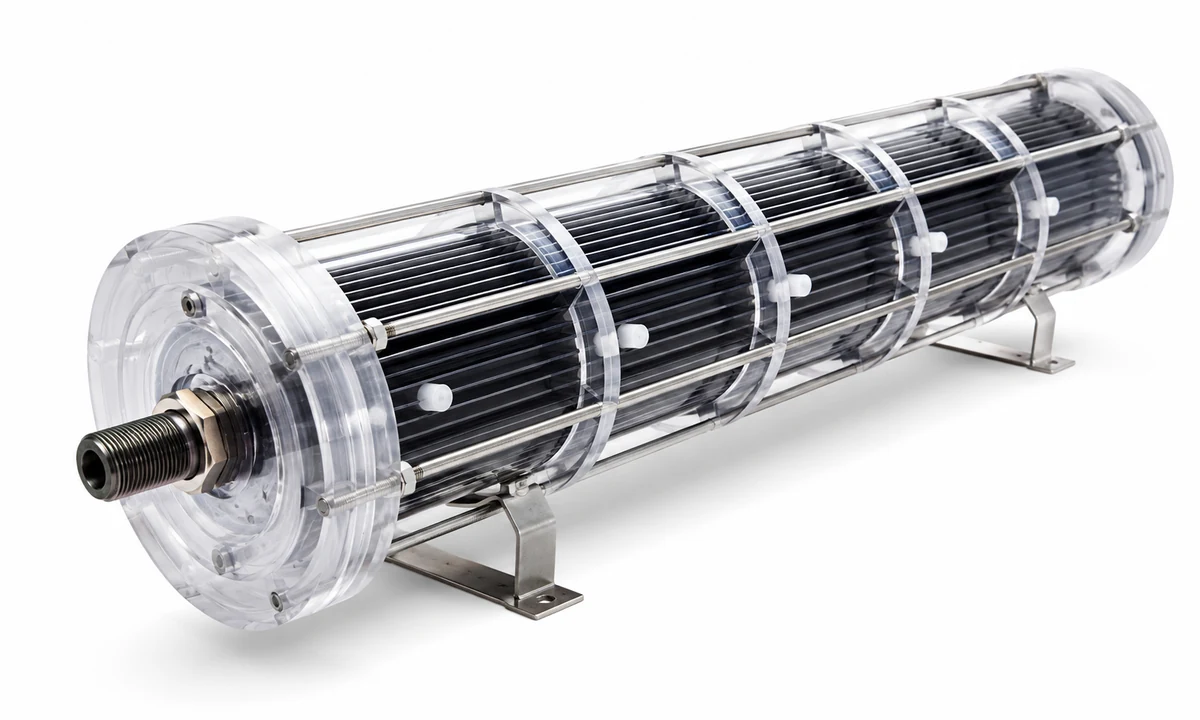
Sodium hypochlorite electrolysis cells and electro-chlorination components are configured around electrochemical reaction conditions. The same cell concept can perform differently depending on brine or seawater quality, scaling tendency, flow, temperature, target available chlorine concentration and operating schedule.
A useful RFQ should therefore describe the application and the process conditions first. This allows the supplier to review the cell configuration, electrode coating, material selection, maintenance access and equipment boundary more responsibly.
1. Clarify the feed source
The first question is whether the system uses diluted brine, seawater or another chloride-containing medium. Each feed source has different implications for scaling, impurities, corrosion, power consumption and maintenance.
- For brine systems, provide salt concentration, water quality and whether softening is available.
- For seawater systems, provide chloride level, hardness, suspended solids, temperature and intake conditions.
- For process water or mixed streams, provide a basic water analysis and any known contaminants.
2. Define the output target
Available chlorine concentration, production rate and operating hours directly affect the electrolysis cell and equipment configuration. A small batch system, continuous disinfection unit and industrial on-site generation system are best evaluated by target output, operating duty and site integration boundary.
- Required available chlorine concentration.
- Daily or hourly production target.
- Continuous or intermittent operation.
- Target application, such as municipal disinfection, industrial water, cooling water, pool, aquaculture, ballast water or process disinfection.
3. Check scaling and maintenance conditions
Scaling is one of the most practical issues in electro-chlorination equipment. Hardness, temperature, flow pattern and cleaning strategy can influence electrode life and maintenance frequency.
Useful information includes water hardness, calcium/magnesium level, suspended solids, temperature, expected cleaning method and whether the installation allows easy electrode inspection or replacement.
4. Electrical and hydraulic inputs
Electrolysis cell review should include power and flow conditions. When final power supply data is still pending, the expected capacity, cell arrangement, available voltage/current range and installation constraints can still help with preliminary review.
- Flow rate, pressure and pipe/interface requirements.
- Voltage/current range and power supply availability.
- Cooling, ventilation and indoor/outdoor installation environment.
- Footprint or skid/module size limits.
- Local standard or certification expectations if applicable.
5. Electrode and cell configuration
Electrode coating selection should be linked to the feed medium and operating duty. For sodium hypochlorite and electro-chlorination applications, titanium anodes and electrode assemblies are often reviewed together with cell structure, flow path, sealing, cleaning access and replacement strategy.
The cell is best discussed as part of an electrochemical unit, together with flow path, current density and site interface. The same electrode material can perform differently as hydraulic conditions, temperature, scaling tendency and current density change.
6. Define the supply scope early
Before comparing suppliers, clarify whether the request is for:
- Electrodes or replacement electrode assemblies.
- Electrolysis cell only.
- A defined electrochemical module.
- A skid/unit package with agreed balance-of-plant boundary.
- Integration with customer equipment or a larger project package.
Balance-of-plant, dosing system, storage tank, ventilation, safety devices, commissioning and site responsibilities are best clarified together with the project scope.
RFQ checklist before contacting TJNE
- Application and disinfection objective.
- Feed source and water/brine analysis.
- Available chlorine target and production capacity.
- Flow rate, temperature, pressure and operating schedule.
- Power supply information and site constraints.
- Expected supply scope and documentation needs.
TJNE can discuss electrolysis cell units, titanium anode systems, electrode assemblies and defined equipment modules for sodium hypochlorite and electro-chlorination applications. Final configuration is developed after the operating conditions and project boundary are clear.